

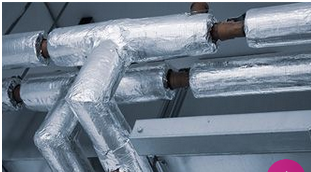
Do you intend to upgrade your home's home heating? In that case, installing a panel radiator is a great way to increase the efficiency of your heating. Panel radiators provide warmth and comfort in virtually any room of the house. Not just are they easy to set up, but they can also be adjusted to generally meet specific needs. In this information, we'll cover all you need to learn about installing a isolierung (insulation).
Types of Panel Radiators
With respect to the size and kind of space you need to heat, there are several types of panel radiators available. You can choose from single or double panel radiators, vertical or horizontal models, and radiators with convector fins or flat panels. Single panel radiators are usually found in smaller rooms such as for example bathrooms or bedrooms while double-panel radiators are better suited for larger spaces like living rooms and kitchens. Vertical radiators are ideal for homes with tall ceilings while horizontal models work best in homes with limited wall space. Convector fins provide more effective heat distribution while flat panels emit more consistent heat through the room.
Finding your way through Installation
Before starting out on installation, it is essential to ensure that your home is properly prepared. First, check that all electrical wiring is up-to-code and properly connected to the radiator's power source (if applicable). Next, measure out the region where you intend on placing the radiator and ensure that there's enough clearance around the system for proper air circulation. Finally, take into consideration any existing pipes or ductwork when deciding on placement along with how you will route the pipes through walls or floors if necessary.
Once these steps have been completed, you are able to begin installation of your new radiator! Here's things you need to do:
Installation Steps
1) Measure out where your radiator is going to be placed and mark out its location using a pencil or marker; this can help ensure that it's installed correctly and securely.
2) Attach mounting brackets to the wall using screws; these brackets should match with pre-drilled holes in the rear of your radiator for secure attachment.
3) Connect piping from your own water supply line to each side of the radiator as needed; be certain to not overtighten connections as this might cause damage or leaks with time!
4) Close off any valves at both ends of every pipe before filling them with water; this may prevent air bubbles from entering into the system which could create problems later down the line. (If applicable) Connect power cables in accordance with manufacturer instructions before turning on electricity at both ends—this ensures that most components are working correctly before use!
5) Once everything has been put up correctly, start water supply lines slowly until they reach full pressure then switch off valves at both ends again before opening them fully once more (this step might need repeating several times). If needed, adjust thermostat settings accordingly in order that temperature remains constant throughout desired areas of home/room being heated by radiator! Finally relax and enjoy!

Conclusion:
Installing a panel radiator is a good way to upgrade your home's home heating without breaking the bank. With several simple steps outlined above, everyone can install their very own panel radiator for maximum efficiency in no time at all! Not merely does installing a panel radiator help to keep your house warm during those chilly winter time but inaddition it helps reduce energy costs because of its high efficiency rating when compared against other heating systems such as for example gas furnaces or electric baseboard heaters. So don't wait - get yours installed today!